Static recompilation with AI: games and programs translated to native code
Updated · 168 projects
Static recompilation translates a program's machine code into C or C++ ahead of time and compiles that into a native executable, instead of emulating the original CPU while the game runs. The projects on this page did that for console and PC games, from NES and Game Boy Advance titles to Nintendo 64, PlayStation 2 and 3, GameCube and Xbox 360. Most build on an existing recompiler such as N64Recomp, PS2Recomp, ps3recomp, XenonRecomp or ReXGlue, and use an agent like Claude Code or Codex to fill in what the tool cannot do on its own: the hardware a game expects, its graphics and audio calls, and the functions the translator gets wrong. Nearly all of them need your own copy of the game, because the game's code and data are not included. Each entry lists the model, the toolchain, the reported outcome and what the person still had to fix.
- Projects
- 168
- Outcomes
- Works75Partial73Research20
- Models used
- Claude151GPT10Open / local1
The projects

Recompiled Shadow of the Colossus into a Windows port with PS2Recomp, fully AI-written
A PS2 classic running natively on PC, fully AI-written.

Recompiled Empire Earth (2001) to native arm64 for Apple Silicon, with Claude Code agents
A 32-bit x86 RTS recompiled on the Mac, with LAN play against Windows.
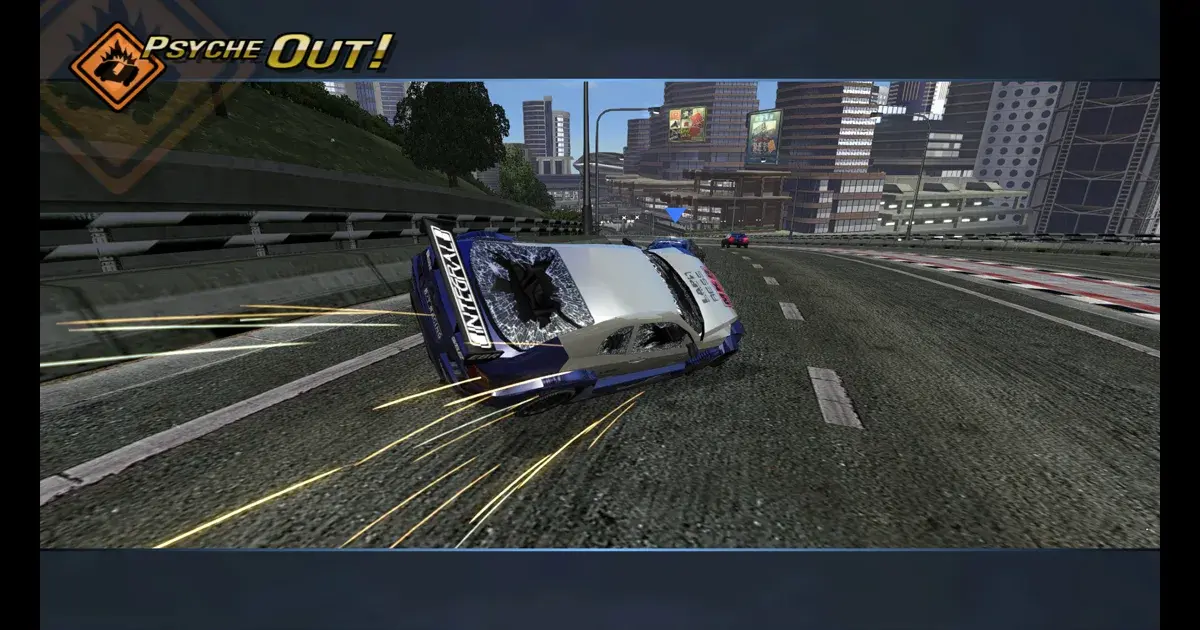
Built Takedawn, a native port of Burnout 3: Takedown from the Xbox version, with Claude doing much of the coding
The original Xbox Burnout 3 as a native Mac, PC and handheld app.
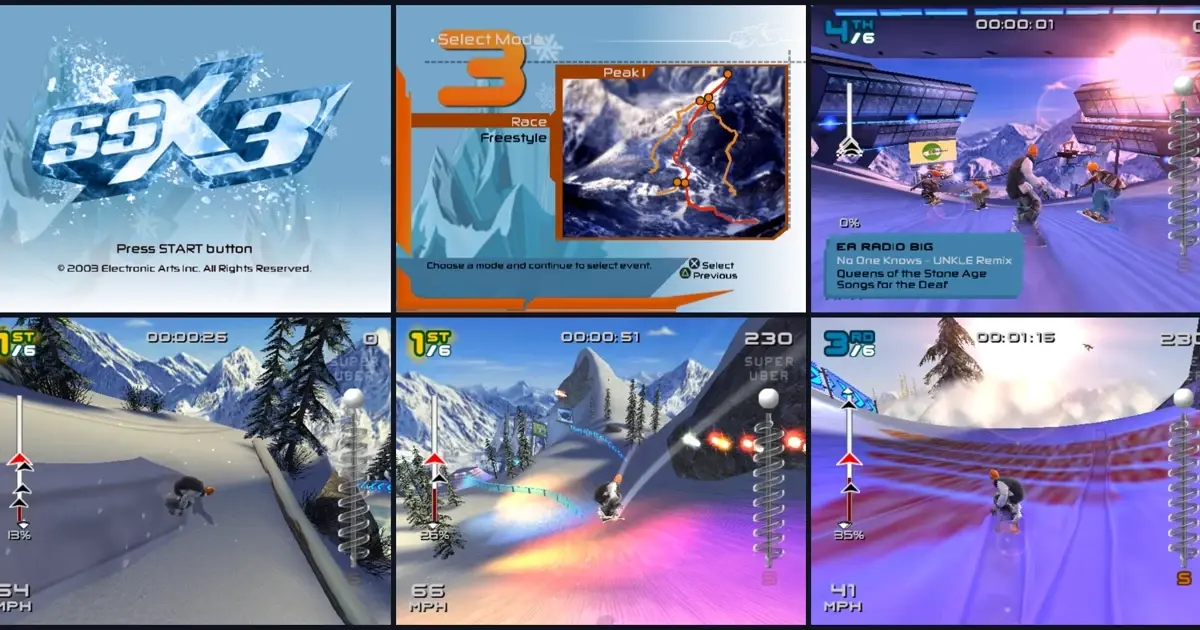
Recompiled SSX 3 (PS2) into a native Rust port with a custom wgpu renderer
The PS2 snowboarding classic as native Rust, all 13,300 functions named.

Recompiled Harvest Moon: Back to Nature (PS1) into a native PC port, then shipped drop-in mods for it
A PS1 farm game running natively, and a folder of mods that just work.
Recompiled Pokémon Snap into a native PC port with N64: Recompiled and Claude Code
A Nintendo 64 photo game on PC, written with Claude Code.

Statically recompiled Portal 2 for Apple silicon using AI coding agents
A native ARM64 port of Portal 2 for macOS and iPhone generated from Linux binaries.
Recompiled Azure Dreams (PS1) into an HD native PC port, with Claude Code
The PS1 roguelike RPG plays widescreen and sharp, no emulator.
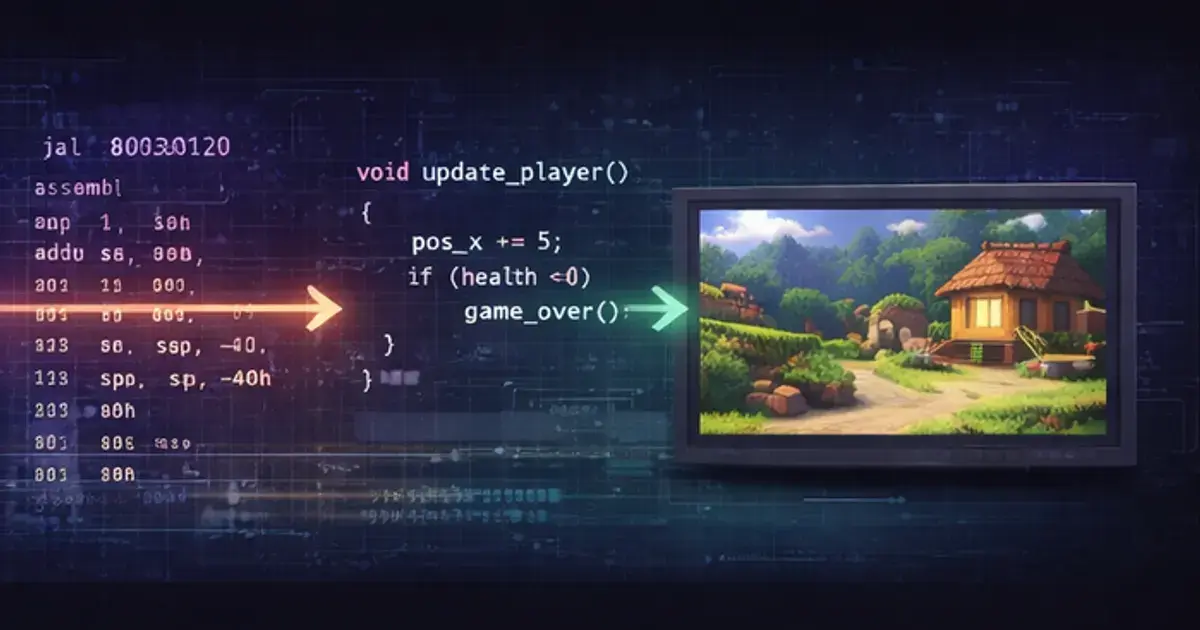
Built a PS1 static recompiler with no prior experience and got Tomba! playable
No prior experience, three weeks, and a PS1 game running as native code.

Recompiled Skies of Arcadia Legends (GameCube) into native Windows, Linux and Android apps, with Claude
A GameCube role playing game recompiled into native Windows, Linux and Android apps.
Recompiled Jet Set Radio Future (Xbox) into a Windows program, with Claude writing most of the code
The Xbox game as a native Windows exe, also on Steam Deck.
Recompiled Metal Slug 5 (Neo Geo) into a native Windows port, with Claude Code
Arcade-exact Metal Slug 5 as native code, checked against MAME frame by frame.
Recompiled the Virtua Fighter arcade V60 code into a native game with Claude Code
A 1993 arcade fighter on modern machines, made by agents.
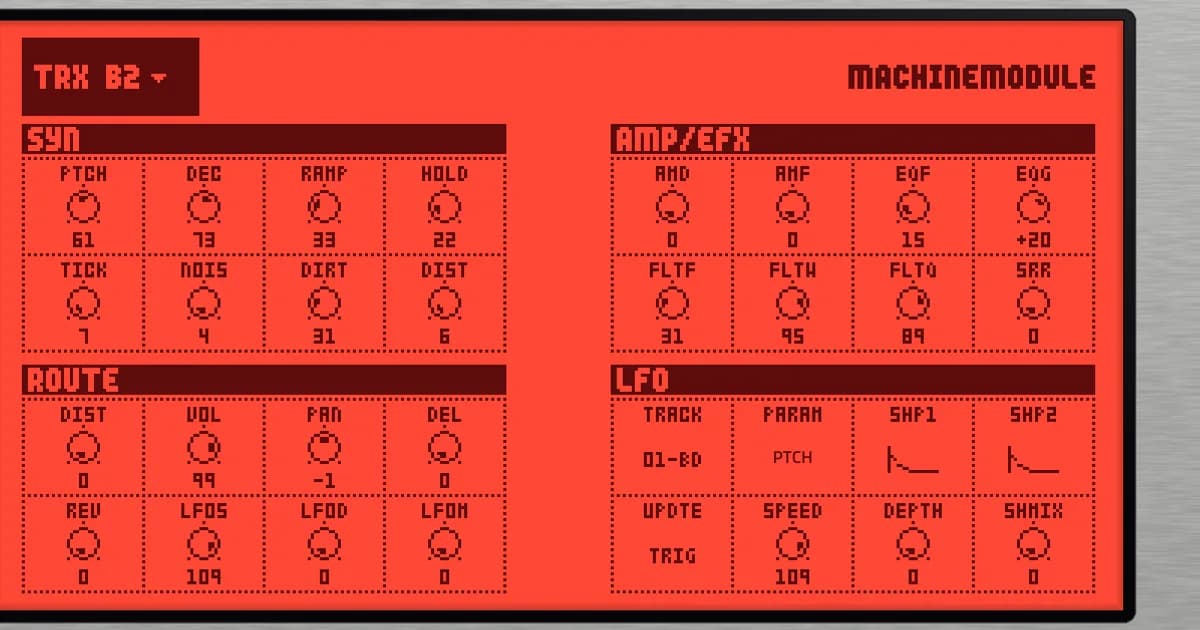
Machinedrum Engine on Akai MPC
Runs the Machinedrum’s own DSP code as a native MPC VST instrument.
Recompiled Wipeout Pure (PSP) for Mac and Windows, planned by Claude with subagents
A PSP racer on Mac and Windows, planned by Claude.
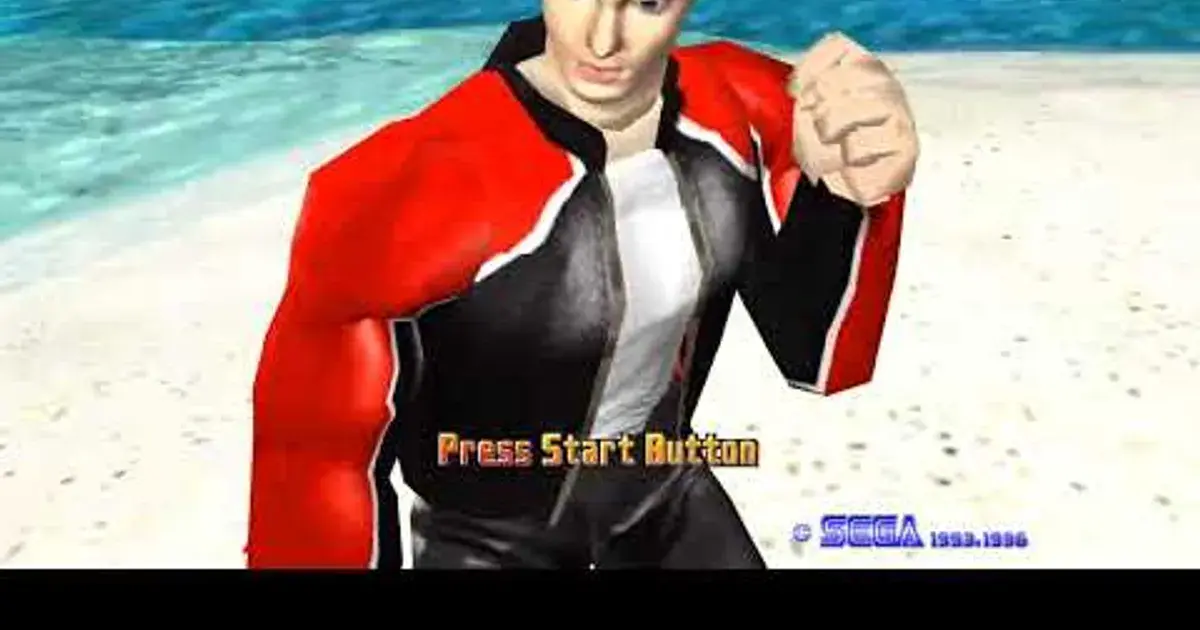
Recompiled Virtua Fighter 3 to native code
Claude Code helped build a native Virtua Fighter 3 port by measuring Model 3 behavior, implementing an interpreter and recompiler, then checking results against Supermodel. The author reports frame-by-frame, image and sound comparisons; users supply their own VF3 ROM.

Recompiled Def Jam: Fight for NY (Xbox) for native Windows, built with Claude
The classic EA wrestling game runs native on PC at 16:9 with modern effects.

James Pond 2: Codename RoboCod recompiled into a native application
A native C++ port of the Amiga classic James Pond 2: Codename RoboCod.

Brought SmackDown vs. Raw 2008 to PS5 homebrew with Claude Code
The 2007 WWE game plays native on PS5 homebrew, 4K at 60 fps.
Share the writeup or repo, and what the AI got right and wrong.
Related guides
Tools these projects used
Common questions
An emulator interprets the original machine code while the game runs. A static recompiler translates that code into C or C++ before the game runs, so the result is an ordinary native program that can run faster and be modified like any other source.
A matching decompilation rewrites the game as readable source that compiles back to the original bytes. Static recompilation produces generated code that behaves like the original but is not meant to be read or to match byte for byte.
Yes, for nearly every project here. The recompiled code is built from, or runs alongside, a disc image or ROM you supply. Projects that ship the game's data or need a cracked executable are not listed.