AI firmware reverse engineering: devices and hardware taken apart with AI
AI firmware reverse engineering covers the code and signals inside physical devices: microcontroller firmware, appliance images, USB and Bluetooth peripherals, car networks and even FPGA configuration bits. In the projects on this page, a model helped read a firmware dump, decode how a device talks to its app, or map what each bit in a configuration file does. Most of the work ran through Claude Code, which can call command line tools such as OpenOCD, radare2, BlueZ or mpremote while a person handles the hardware. The model reads disassembly and logs quickly, but a human usually has to press buttons, attach probes and confirm that a decoded command really does what the model says. Several entries are research write-ups from security teams rather than finished tools. Each one links the author's writeup or repo and lists the model, tools and reported outcome, so you can see what worked on real hardware.
- Projects
- 10
- Outcomes
- Works6Partial1Research3
- Models used
- Claude9GPT1
The projects
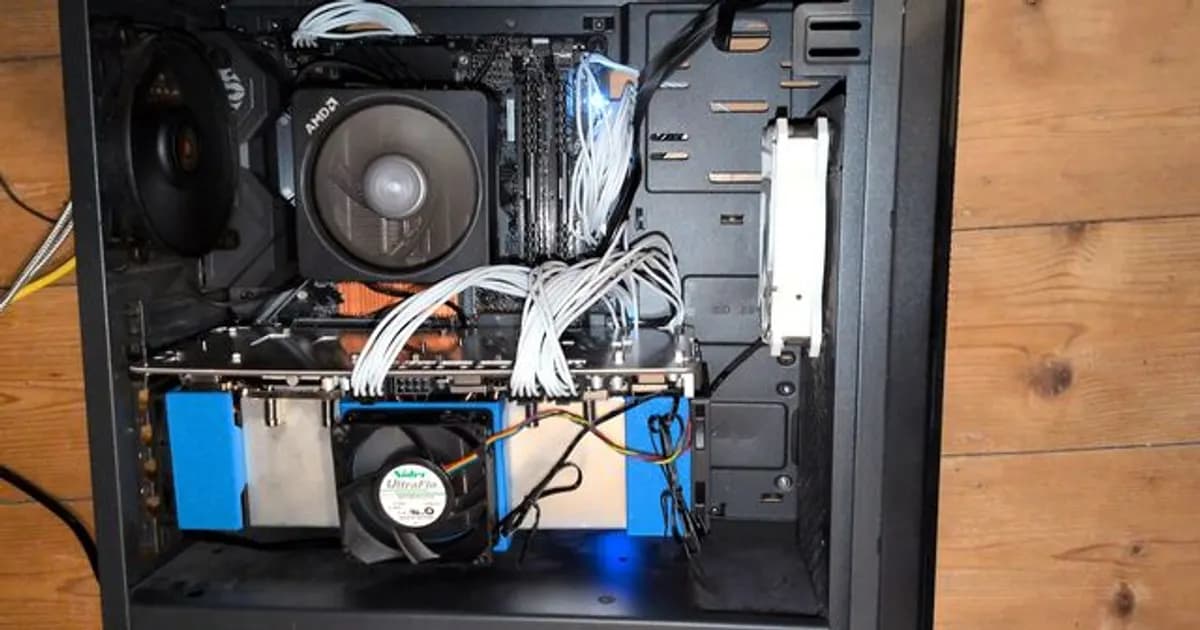
Replaced a dead fan-controller MCU on a dual V100 board with an RP2040, Claude doing the reverse engineering
A dead fan controller swapped for an RP2040 in about 50 minutes.
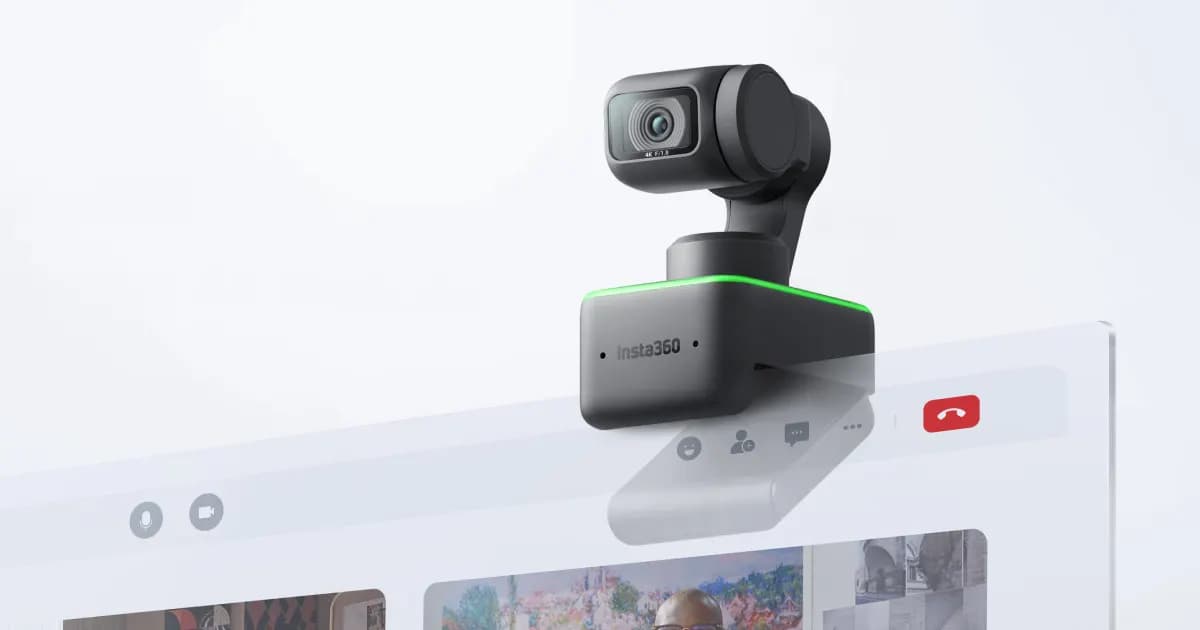
Audited the firmware of five PC peripherals in about 13 hours of agent time
A webcam, monitor, mic, capture card and light, examined in about 13 hours.

Claude code reverse engineered this RC car! It only worked with a custom wyze cam firmware, and now I can drive it over USB or a cheap ESP32
Made an RC car that needed custom Wyze cam firmware drivable over USB or an ESP32
Share the writeup or repo, and what the AI got right and wrong.
Related guides
Common questions
It can help. Projects here had Claude read disassembly from a firmware dump, find interesting functions and explain what they do. The person still extracted the image and checked the findings on the device.
Not directly. In most projects the agent runs command line tools on a computer that is wired to the device, and a person does the physical steps such as pressing buttons or connecting a debug probe.
Bluetooth sensors and remotes, a USB keypad, vehicle CAN bus traffic, a fan controller board, a virtual security appliance image, consumer peripherals and an FPGA bitstream.