Port old software with AI: recover lost source and rebuild old programs
Many old programs survive only as executables, with the source code lost and no build that runs on a modern system. The projects on this page used a language model to bring such programs back. Some rebuilt working C, C++, Rust or TypeScript from DOS, Apple II, Commodore 64 or early Windows binaries. Others reconstructed a game from scripts, manuals and old logs, or recompiled it to run natively on new hardware. The usual method is to have the model disassemble the binary, document file formats and logic, and then write a new implementation that can be compared with the original, ideally by replaying the same input and checking the output. Where the authors report it, the results range from complete, playable ports to partial rebuilds that are still in progress. Each entry links the source and lists the model, tools, outcome and what the human had to fix.
- Projects
- 14
- Outcomes
- Works8Partial6
- Models used
- Claude9GPT4
The projects
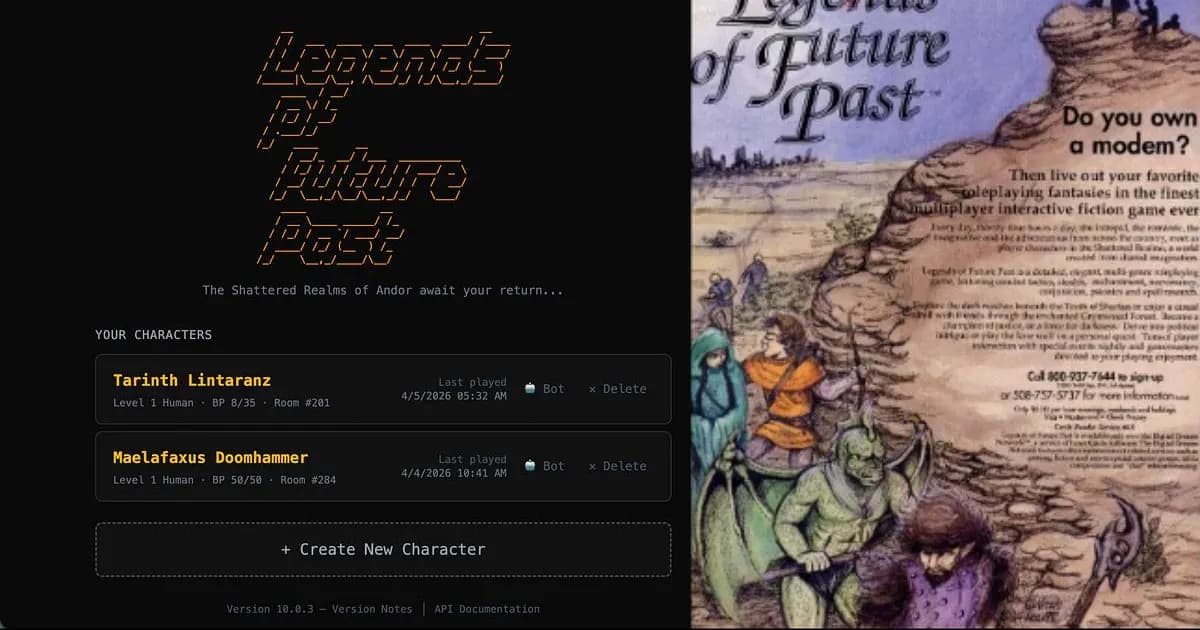
Resurrected a 1992 MUD from its scripts, a GM manual and a 1996 session log
A MUD dead since 1999, playable again from its scripts and an old log.
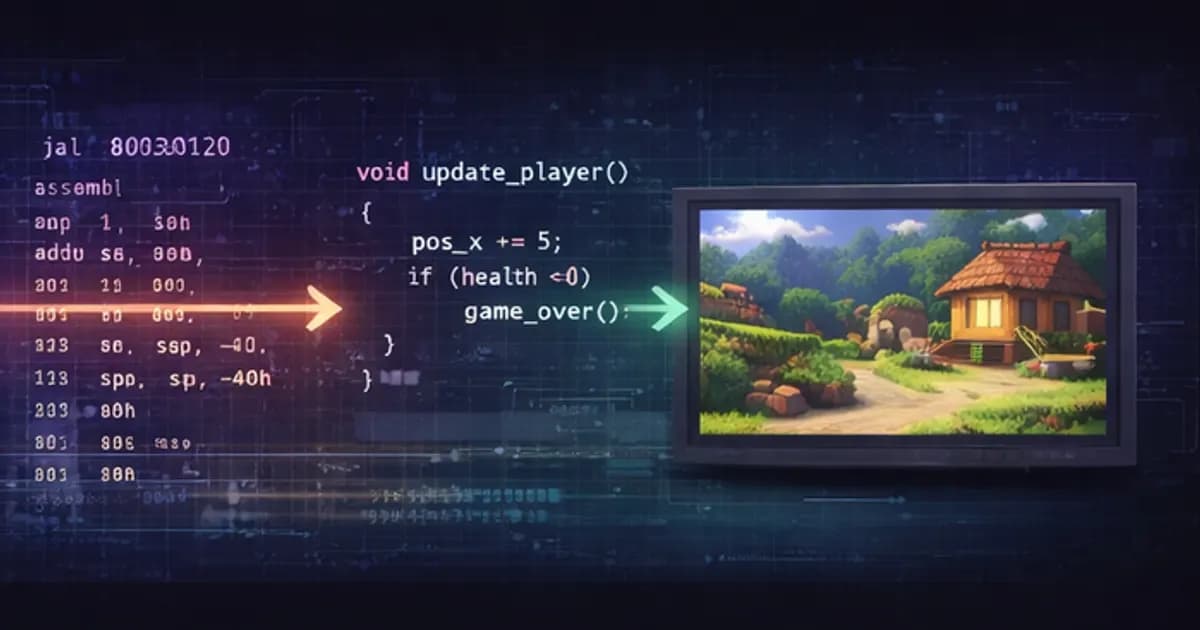
Built a PS1 static recompiler with no prior experience and got Tomba! playable
No prior experience, three weeks, and a PS1 game running as native code.
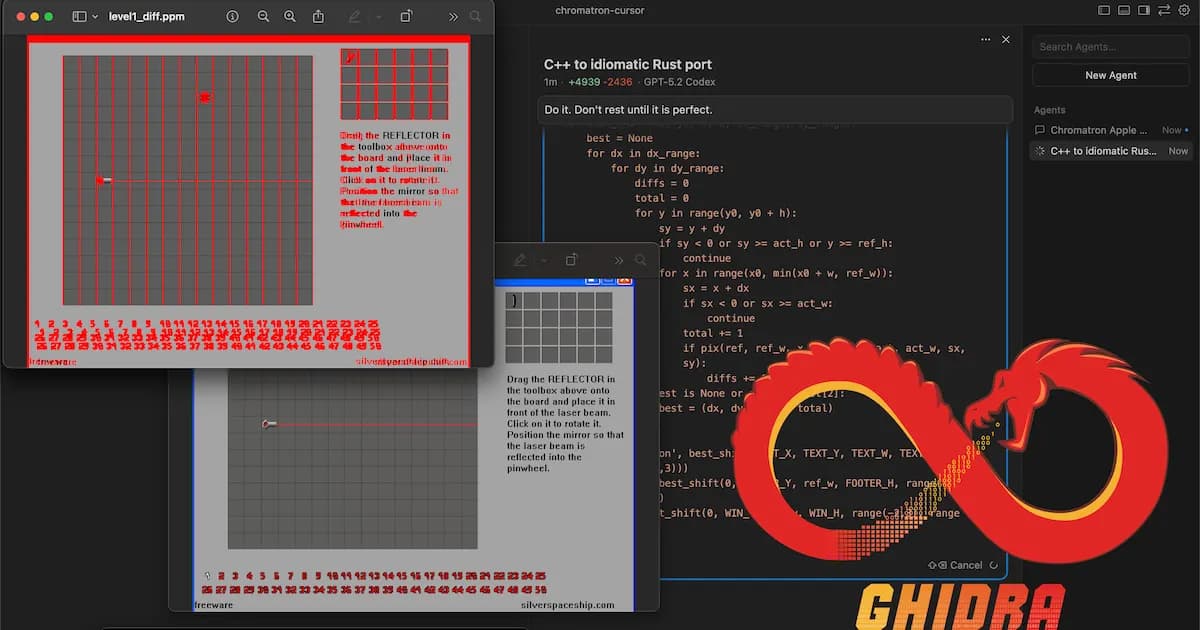
Recompiled a 20-year-old puzzle game for Apple Silicon and the web
A 20-year-old puzzle game, running natively on Apple Silicon and in the browser.

Reverse engineering GTA San Andreas with autonomous LLM agents (ReAgent)
A reverser LLM, a checker LLM and Ghidra evidence gates, used on San Andreas.

I asked Claude Fable 5 to reverse engineer a 1993 DOS game with no source code. It read the raw machine code, rewrote the engine in C, and gave me a fully editable port for every platform. 30 min from EXE to iPhone. Sharing it all so you can revive your own childhood games!
Rewrote the SkyRoads engine in portable C from raw machine code with Claude Fable 5
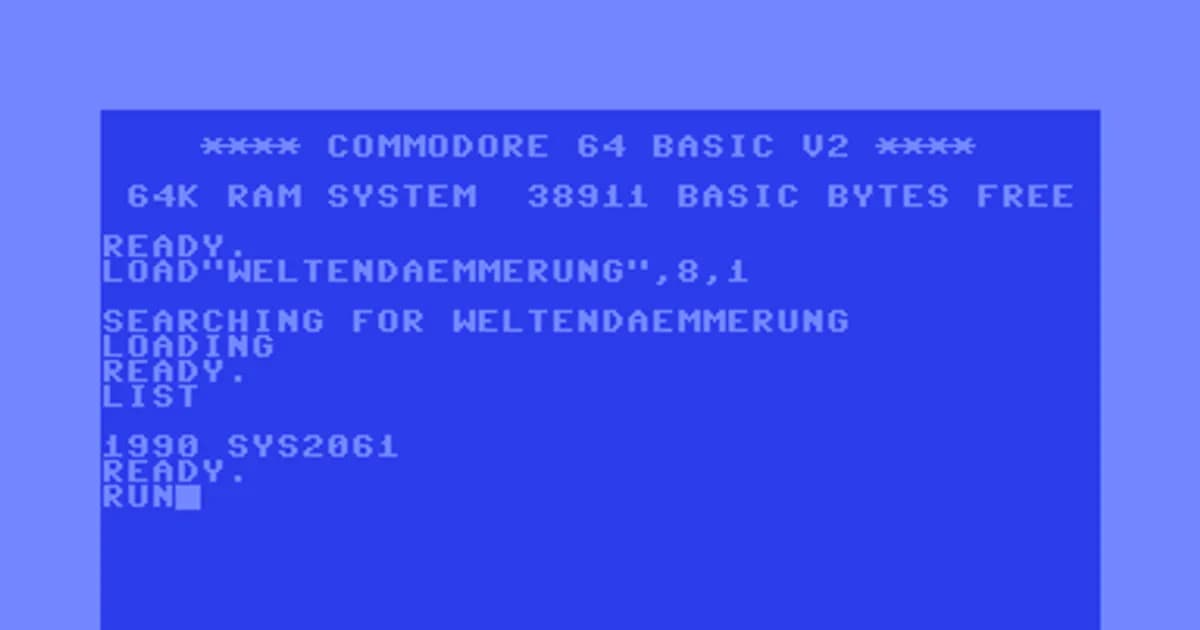
Reverse engineered the C64 strategy game Weltendämmerung and ported it to the web
A 7 KB C64 binary, three days and $100 later, playable in the browser.

@embirico @OpenAI How I Used Codex to "Recover" Lost Source Code in 5 Days Ever lost your source code? It's a terrible feeling. Years ago, I built an Electron drawing app. Then I lost the source code. All I had left was the compiled version. I thought about rewriting it from scratch, but the
Share the writeup or repo, and what the AI got right and wrong.
Related guides
Common questions
It can produce new source that behaves like the original. Projects here rebuilt DOS, Apple II, C64 and Windows programs this way. The result is a reconstruction, not the original source, and it needs testing against the real program.
The strongest checks compare behaviour directly: replaying a recorded demo tick for tick, running behaviour cases against the original code, or compiling functions to matching bytes.
C and C++ are most common for close rebuilds. Some projects ported to TypeScript or JavaScript to run in a browser, and one ported to Rust.