What people reverse engineer with AI
Updated 11 November 2026 · 106 projects
Projects in this directory used AI for a handful of recurring jobs. This page groups them by the job, with one real result for each and the figures the authors report.
Each project goes into the first job whose rule it matches, read from its target type, title and summary. Entries that lift a vendor's limits are left off. Outcomes are as reported by each project's author.
In short
- 91 of 106 listed projects fall into one of 7 jobs. Native ports of old games is the largest group with 52. 15 fit none of them, such as mods, editors and engines built around one game.
- 40% of the grouped projects are reported as working by their authors (36 of 91). Partial and research results make up the rest.
- Device protocols (Bluetooth, USB, network) has the highest share reported as working (100%). Decompilation has the lowest among groups of five or more (14%).
- Many entries describe how the result was checked: against the original game, on a real device or on real files.
The jobs at a glance
Result rows are the entry with a cover image and a working outcome where one exists, so they show what the job looks like at its best.
Run an old game natively on new hardware
20 of 52 are reported as working. Static recompilation translates a game's machine code into C or Rust so it runs natively, which gives a model a checkable, repetitive job: translate, build, compare. The write-ups also set limits. Most need the reader's own copy of the game or disc image and ship no game assets, and several are labelled beta or in progress.
Works 20Partial 29Research 3
Recompiled Shadow of the Colossus into a Windows port with PS2Recomp, fully AI-written
A PS2 classic running natively on PC, fully AI-written.
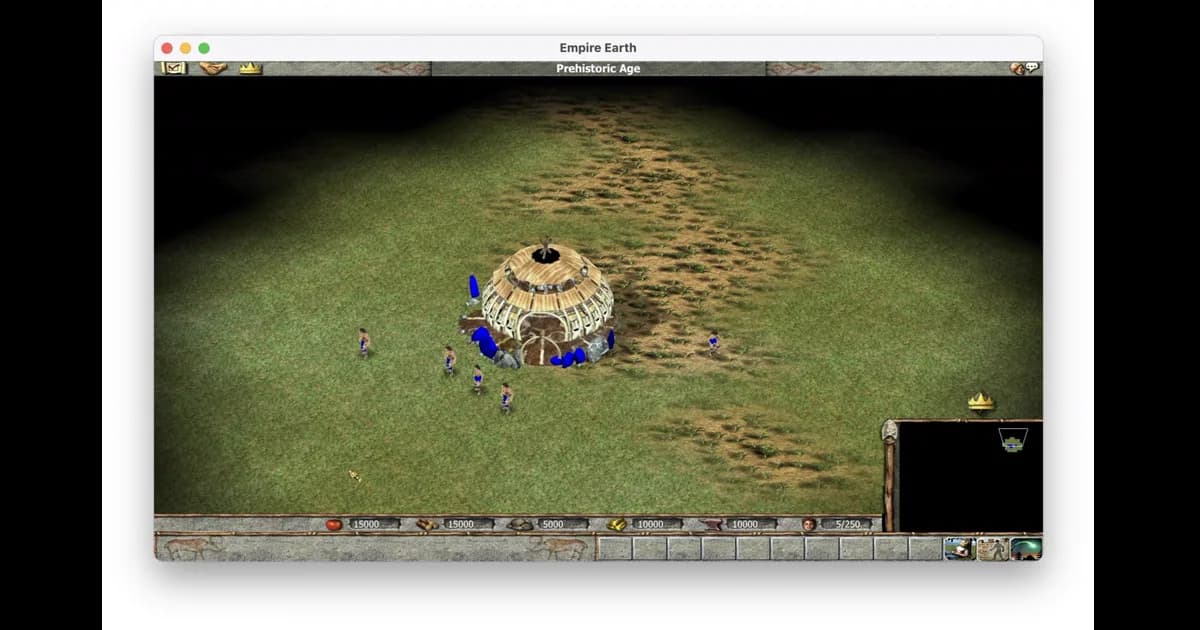
Recompiled Empire Earth (2001) to native arm64 for Apple Silicon, with Claude Code agents
A 32-bit x86 RTS recompiled on the Mac, with LAN play against Windows.

Built Takedawn, a native port of Burnout 3: Takedown from the Xbox version, with Claude doing much of the coding
The original Xbox Burnout 3 as a native Mac, PC and handheld app.
F.E.A.R. 360 Recompiled
Native Xbox 360 F.E.A.R. port for PC via static recompilation.
Rebuild a game's source
3 of 22 are reported as working. Some entries aim for byte-identical output checked by a build, with owner-approved compiler profiles. Others only recover readable C or C#, and one checks that the rebuilt C# compiles to the same IL as the original. Matching work is repetitive and checkable, which suits a model; plenty of entries are still marked as started or in progress.
Works 3Partial 18Research 1
Recovered about 140,000 function names for the Naruto Ultimate Ninja Storm games with Claude Code
Ten game builds, about 142,000 official function names for modders.
Decompiling Crazy Taxi (Dreamcast) with an agent loop that checks functions for equivalent behaviour
Equivalent C for a growing share of the game, plus a viewer for its assets.
Built a mod kit for Harvest Moon: Back to Nature (PS1) on top of its matching decompilation, with Claude
A modding kit and community collection for Harvest Moon: Back to Nature (PS1, USA).
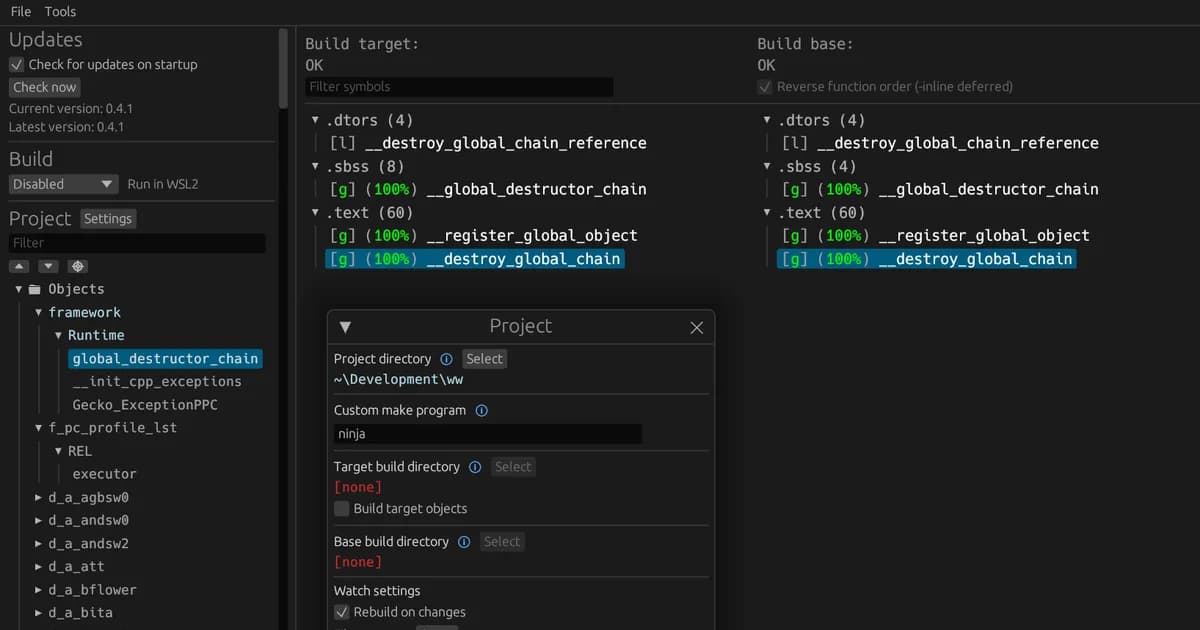
Black & White (Lionhead) Decompilation
Work-in-progress decompilation of Lionhead’s Black & White. Claude co-authored commits that split and label reconstructed code; the project requires an existing game copy.
Control a device without its app
7 of 7 are reported as working, and 3 of them report a test on the real device. A model reads packet captures, app code and logs quickly. The physical work stays with the person: several authors describe removing a dongle, wiring a microcontroller to a bus or finding the signal pair with a multimeter.
Works 7
Decoded the Fire TV Alexa remote's Bluetooth voice audio and buttons with Claude Code
Voice audio over Bluetooth HID, decoded so the remote records straight to WAV.
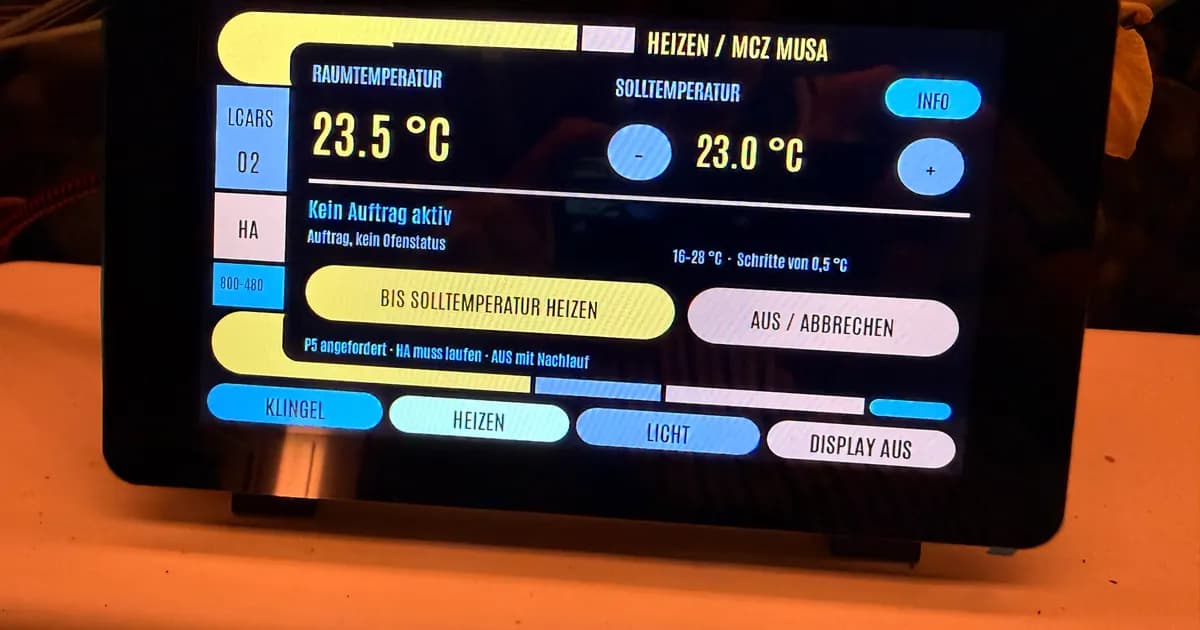
Recorded and replayed a pellet stove RF remote to control it from Home Assistant, with Codex helping
A pellet stove remote recorded and replayed through ESPHome.
Bluetti inverter cloud API and BLE protocol, bridged to Home Assistant
A home battery's cloud and Bluetooth protocols, into Home Assistant in an evening.
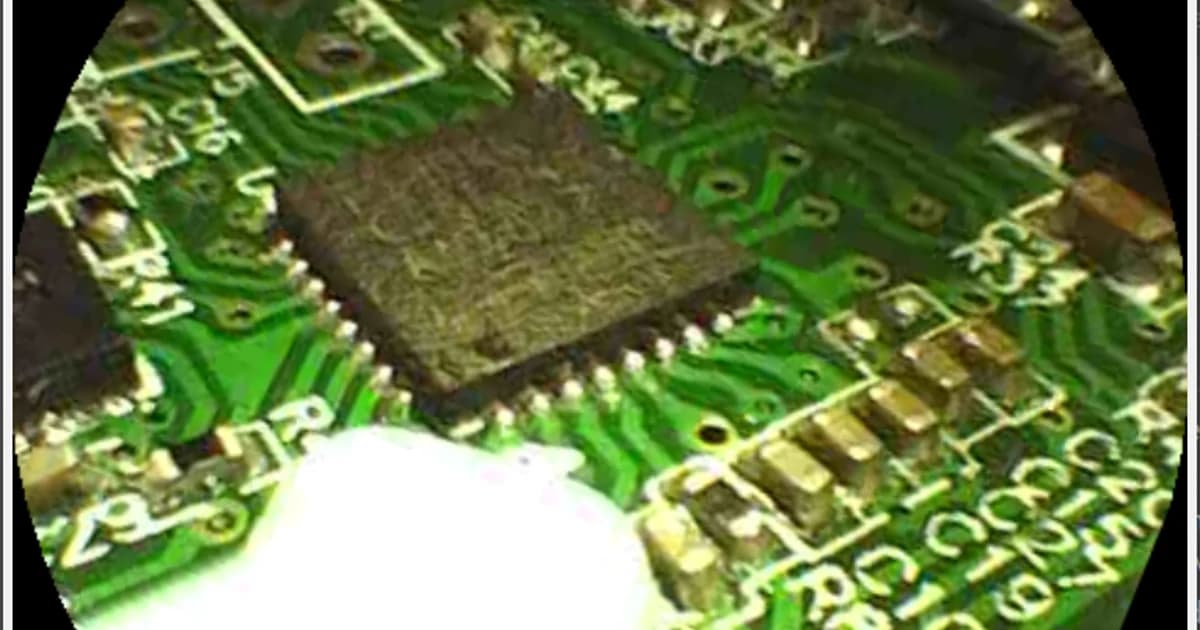
Turned a WiFi ear camera into a PC inspection scope, vibe coded with Claude
A cheap ear camera becomes a 17 fps endoscope over USB, no cloud app.
Keep old hardware working
2 of 4 are reported as working, and 3 report a test on real hardware. Firmware work is where the write-ups are most careful about limits: one says outright not to flash its result onto a physical inverter because it was only tested in an emulator, and another notes that the headset microphone still does not work.
Works 2Partial 1Research 1
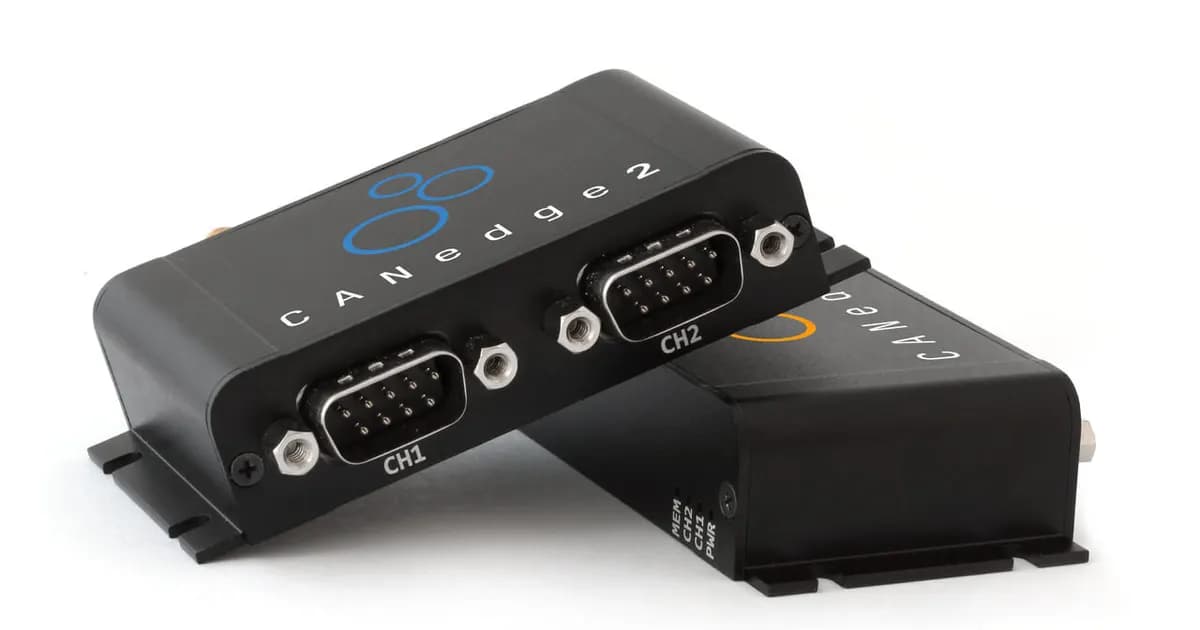
Decoded proprietary car CAN bus signals into DBC files with a Claude Code skill
Speed and RPM off a Mercedes CAN bus in under five minutes.
Restored an undocumented Amiga 500 IDE and RAM card with Claude Code rebuilding its protected GAL logic
A 1990 Amiga card revived with rebuilt GAL logic.
Started the Snapdragon X1E laptop DSPs from reverse-engineered firmware, with AI agents
The laptop audio and compute DSPs come up under stock Linux, agents wrote the patches.
Mapped a Cyclone FPGA's configuration bitstream with Claude Code
Claude did the mapping; a real board checked its work.
Read a file format nobody documented
2 of 2 are reported as working. A format is a closed problem: a model can write a parser, run it on real files and see whether they come out the same. Entries also say what is left open, such as fields that are read-only or not yet understood, and several are save editors for a single game.
Works 2
Built an open Linux driver for the Brother HL-2140 by having Gemini decode its raster format
A printer the stock Linux driver garbled, now printing photos with an MIT driver.

Documented the FFXII Zodiac Age PC save format and built a save editor with Claude
A save editor for a single-player RPG, format worked out by Claude.
Talk to an undocumented API
2 of 2 are reported as working, and 2 publish their code. The entries picked here are interoperability work: clients for a user's own smart-home account, local replacements for a cloud service, or libraries that read documented behaviour from a game's data. Entries about removing a vendor's limits are left off this page. Protocols that change without notice can break a client later.
Works 2
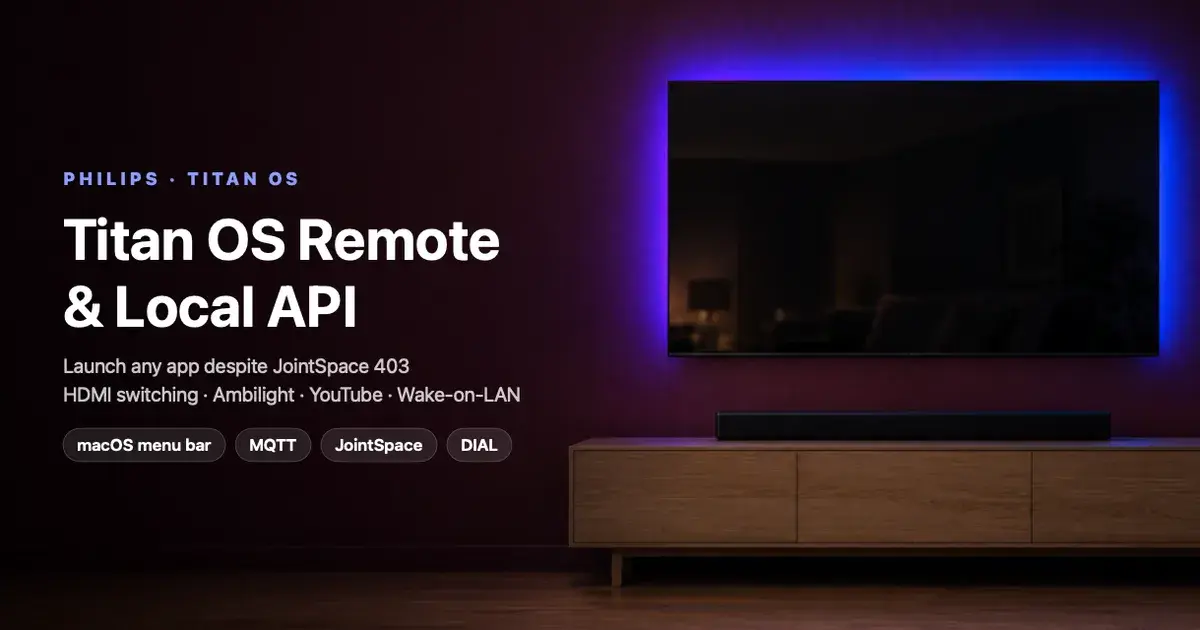
Philips Titan OS Local API and Remote
AI-assisted discovery of local controls for a Philips Titan OS television.
Built a self-hosted Roborock cloud so vacuums run locally, with Claude Code and Codex finding the way in
A vacuum cloud rebuilt on a home server, found with coding agents.
Analyse malware safely
Only 0 of 2 are reported as working and 2 as research, because most are experiments in analysis, not finished tools. The write-ups are open about errors: one found wrong indicators of compromise and file relationships even after verification passes, and another found a generated script that printed a made-up URL instead of extracting one. The author of that comparison concludes that verdicts still need an experienced analyst. This directory lists defensive analysis only.
Research 2
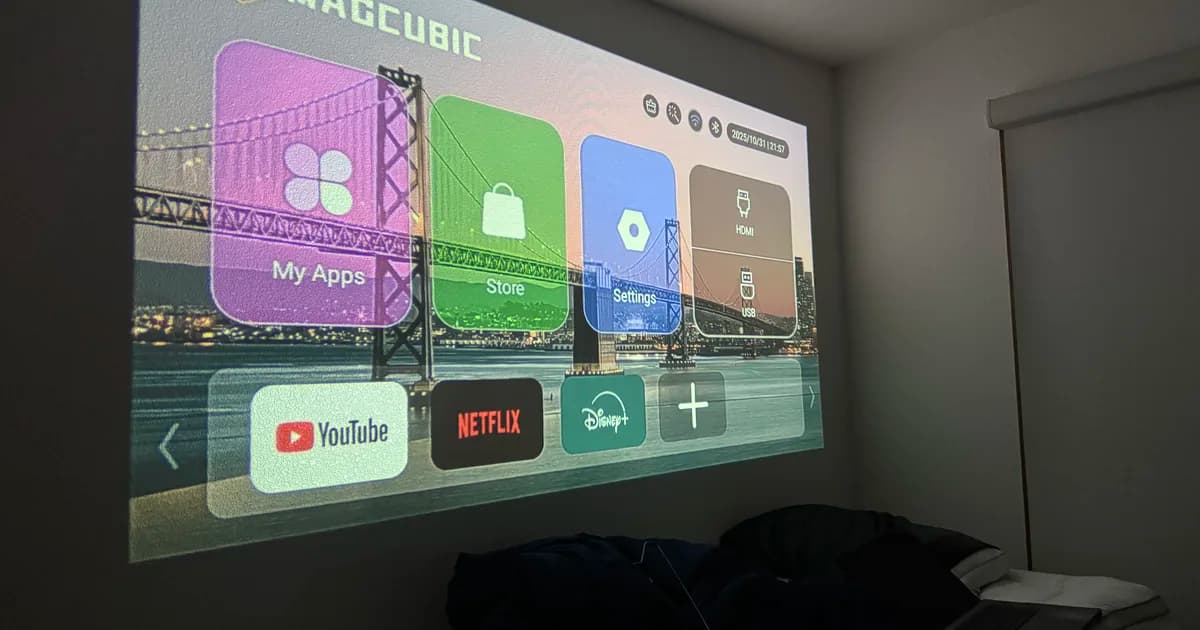
Analysed the malware pre-installed on a $35 Android projector
A $35 projector that quietly rents out your home network.
Analysed a Windows loader without running it, using Codex, REA and Ghidra
Static malware analysis with Codex, REA and Ghidra, nothing executed.