What was done
WildweaselMS NJFE bridge puts an ESP32-C3 between a cheap WiFi otoscope and a PC USB port to get the camera JPEG stream without the vendor app, and doubles as an inspection scope for electronics work.
Cheap WiFi ear cameras arrive as a locked box that only wants a smartphone app. NJFE, short for Not Just For Ears, replaces both: an ESP32-C3 joins the camera WiFi and speaks its i4season UDP protocol, and a Python GUI on Windows shows the live 480 by 480 JPEG stream over USB, with photos, video recording, rotation from the sensor and an LED control. The whole development happened in conversation with Claude through Claude Code, from research and protocol work to firmware, PC tools, tests and documentation.
How it was done
The i4season implementation builds on the protocol knowledge of the earlier otoscope project, with the packet header, commands, chunked JPEG frames and the packed three axis accelerometer format re-implemented and extended. PlatformIO firmware probes camera networks and lists them on an OLED, and the serial pipe carries one way text commands and the other way binary frame records with a magic header and JPEG resynchronisation on corrupted frames. Security notes keep the record straight: the camera WiFi itself stays open and unencrypted, and the bridge isolates it rather than fixes it.
Results
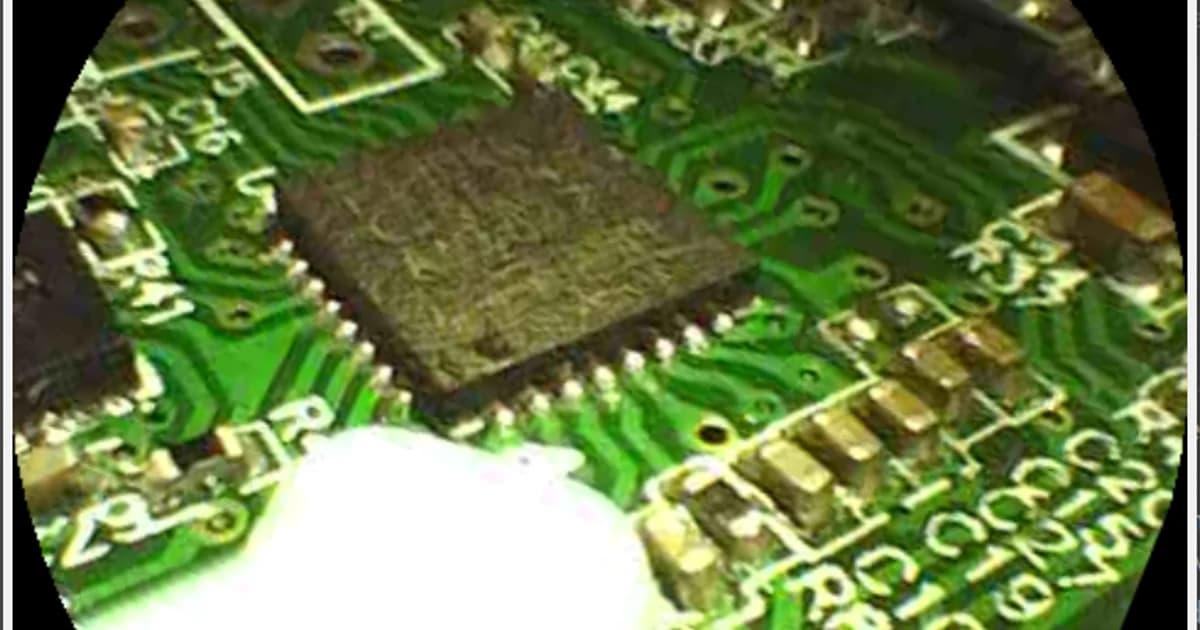
On a Hopefox Find T with firmware HKV41B the stream runs at about 17 fps with photos, MJPG recording, battery and LED reporting, and the ESP32 OLED shows fps, data rate and charge. The same camera then serves as a mini inspection scope for soldering, SMD marks, gear teeth and drill holes. One device has been tested; other Soulear cameras are likely to work. It is deliberately not a medical recommendation, and the code stays small enough to audit.