Who did what
The author chose the devices, supplied firmware and tools, kept the agent going, checked every result on real hardware and handled disclosure.
What was done
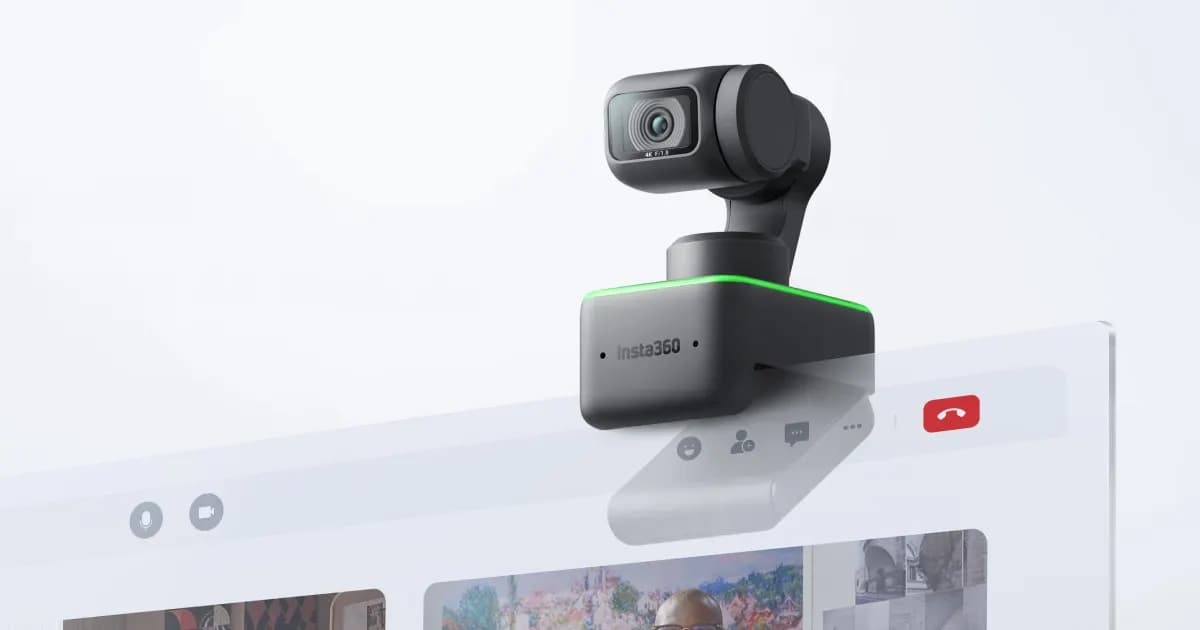
Claude Opus 5 in Claude Code examined a webcam, monitor, microphone, capture card and light, finding weak firmware protection on most. Everything was disclosed to the vendors.
Chaz Schlarp used Claude Opus 5 in Claude Code to examine the firmware of five PC peripherals: a webcam, a monitor, a microphone, a capture card and a key light. Across about 13 hours of agent time and 98 prompts, it found weak firmware protection on most of them. Schlarp shared everything with the vendors.
How it was done
For each device, Schlarp downloaded the firmware and the vendor's update tool, placed them in a reverse engineering environment and gave Claude a standard set of goals. These included documenting the firmware and update protocol, writing a custom updater, assessing security properties and looking for hidden or debug features. Claude was allowed to touch the devices only in non-mutating ways. It wrote documentation and scripts into a public GitHub repo for each device, and most were checked against real hardware. Schlarp steered each device and chose follow-up directions. One run, on the capture card, went unattended overnight.
Results
Effort per device ranged from 1.2 to 4.2 hours of agent time. The write-up reports weak firmware protection on most of the devices. The key light was the only one with signed updates, and the author shows that check can be bypassed. Schlarp also raises concerns about attached devices and network-reachable ones, and sees benefits for repair and interoperability.
Discussion
Sources
Sources reviewed · Added
An AI model drafted this entry from the sources above. Checked against the sources on 13 Oct 2026. The figures are the author's. How entries are checked. Something wrong? Tell me.