Evidence at a glance
Based on the linked sources. The author's reported result and independent confirmation are separate checks.
- AI involvement
- Reported models: Claude. Tools: reccmp, Ghidra, Visual C++ 2008 SP1, SDL3, NutCracker. The writeup below describes the work attributed to AI.
- Reported result
- Works. This is the directory's source-based outcome classification.
- Independent confirmation
- Not reported.
- Human work and limitations
- The project uses AI (Claude Opus 5.5) for co-authoring commits, specifically for tasks like mapping library globals, refining inlining strategies, and routing standard library calls. The project is not a complete, independent discovery but a collaborative effort using Ghidra and reccmp.
Original sources
What was done
A community-led effort to recreate the 2009 game Virtual City from recovered C++ source code, achieving high binary matching accuracy against the original executable using reccmp.
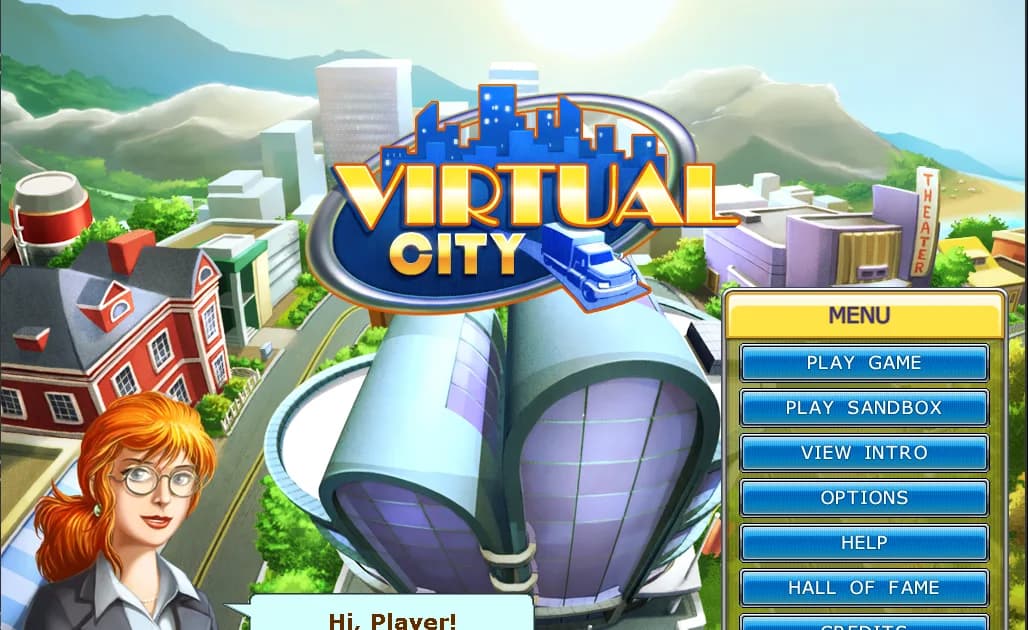
The Virtual City decomp project provides a playable C++ reconstruction of G5 Entertainment's 2009 title. The project uses recovered source code to rebuild the game, targeting binary parity with the original executable. Progress is tracked using the reccmp tool, which compares the recompiled output against the original binary. As of the latest documentation, 5,342 of the original 5,348 functions have been recovered, with 3,149 functions achieving byte-identical compilation. The project supports two build paths: a reference build using the original Visual C++ 2008 SP1 toolchain and a modern SDL3-based build. Development relies on Ghidra for analysis, with automated assistance from AI agents, as noted in commit logs. The project requires the user to provide their own copy of the original game executable. While the recompiled game is functional, including campaign and sandbox modes, the project remains a work in progress regarding full binary matching.
Reproduce it
.\.venv\Scripts\python.exe tools\run-debug.py --timeout 60 --keep